Don’t Panic: The Job Market Isn’t Cratering—It’s Simply Resetting
Why Headlines Can Be Misleading
If you’ve been scrolling through news alerts, you might feel like the job market is in freefall. High-profile layoffs, corporate restructuring, and government inefficiencies are making the headlines—but here’s the reality: what you’re seeing is not a market crash, it’s a natural adjustment.
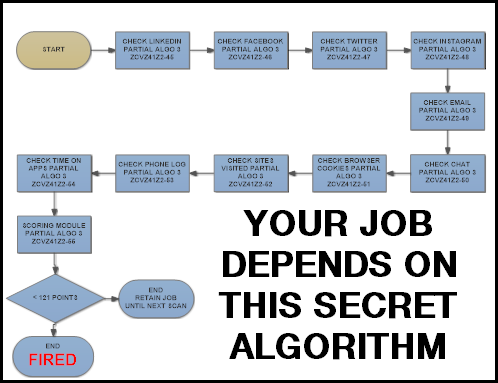
During the pandemic, many companies overhired to handle uncertainty, creating a temporary swell in staff. Now that operations are normalizing, businesses are trimming redundancies and replacing layers of middle management with intelligent business dashboards. These tools allow companies to streamline decision-making, requiring fewer supervisors while maintaining productivity.
As large company mergers increase, so will the consolidations and redundancies that will impact workers.
Private Sector Trends: Low-Hire, Low-Fire
Data from private payroll and labor analytics firms show a steady labor market, not a sinking one. Yes, some large companies have announced layoffs, but these numbers often reflect structural adjustments rather than a systemic collapse. Across the private sector, employment is largely stable, with the low-hire, low-fire phenomenon keeping unemployment rates moderate.
Rather than panic, this is a signal that businesses are optimizing—focusing on efficiency and technology, and ensuring that every hire contributes directly to productivity. The labor market is adjusting to more effective, leaner business practices, not disappearing altogether.
Government Jobs: Always Inflated
The public sector has long been bloated with non-essential roles, patronage positions, and no-show boards. Recent workforce reductions in local, state, and federal positions simply reflect long-overdue streamlining. These changes are not a sign of economic collapse—they’re a return to efficiency.
The same is true for agencies relying on outdated staffing models. Modern tools and dashboards are replacing layers of oversight, allowing governments to serve the public effectively with fewer hands on deck.
What This Means for Employees
For professionals navigating the current job market, the message is clear: stability is still here, just in a more efficient, technology-driven form. The market isn’t disappearing; it’s evolving. Workers who focus on skills that leverage technology, adapt to new workflows, and remain flexible will thrive in this reshaped landscape.
This is not the end of opportunity—it’s a call to adjust and grow. The job market is resilient, and after a period of recalibration, it will continue to offer meaningful, high-impact roles for those ready to embrace the new normal.
Bottom Line
Don’t panic. The headlines may scream layoffs and uncertainty, but behind the noise, the job market is simply evolving into a more competent, leaner, and ultimately stronger system.
Change is coming. There will always be a tomorrow, no matter how much you may try to ignore it. There are no guarantees in life, nor promises of a bright future. We see good people being laid off through no fault of their own. Just because something terrible hasn't happened yet doesn't mean it won't. It can happen to anyone, at any time, anywhere. No one is guaranteed to wake up tomorrow and still have a job by evening. While many employees can read the writing on the wall, why do most assume it’s targeted at someone else? Are you now wondering, Am I Next?